


Date added: 2026-03-06
February 2026 Summary - Education, International Collaboration and Wind Energy Research Development

One of the most important events in February was the completion of the first semester of the Smart Renewable Energy Engineering master’s programme, implemented at Gdańsk University of Technology as part of the international DigiWind project.
The programme has been designed to educate specialists capable of working in the rapidly developing renewable energy sector. Particular emphasis is placed on topics related to wind energy, digitalisation of energy systems, data analysis, and modern methods of modelling and monitoring energy infrastructure. After completing the first semester, students have already begun the next stage of their studies, where they will further develop both theoretical knowledge and practical competences related to the design and analysis of modern energy systems.
The study programme is one of the key components of the DigiWind project, which aims to develop modern teaching methods and integrate digital tools into engineering education.
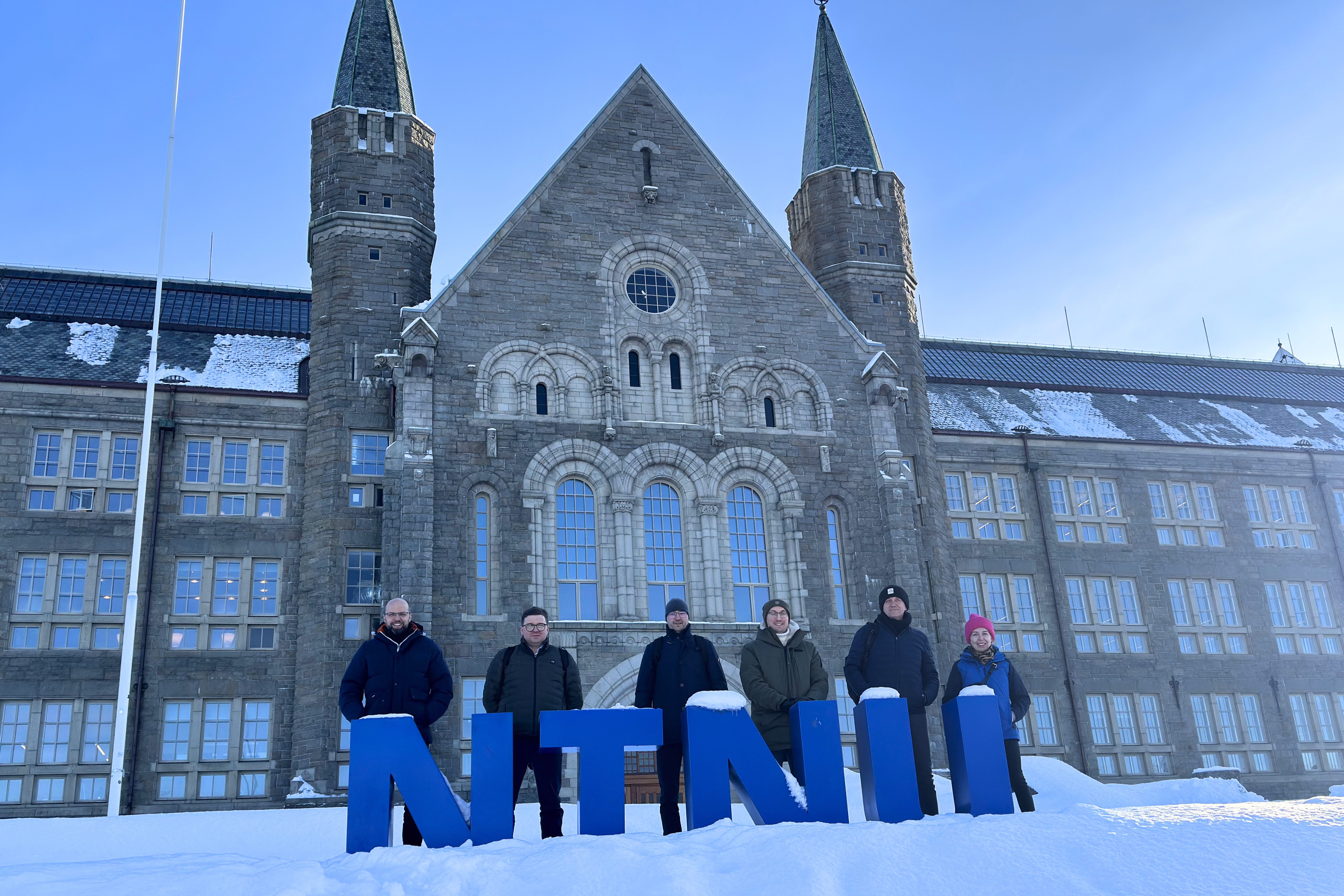
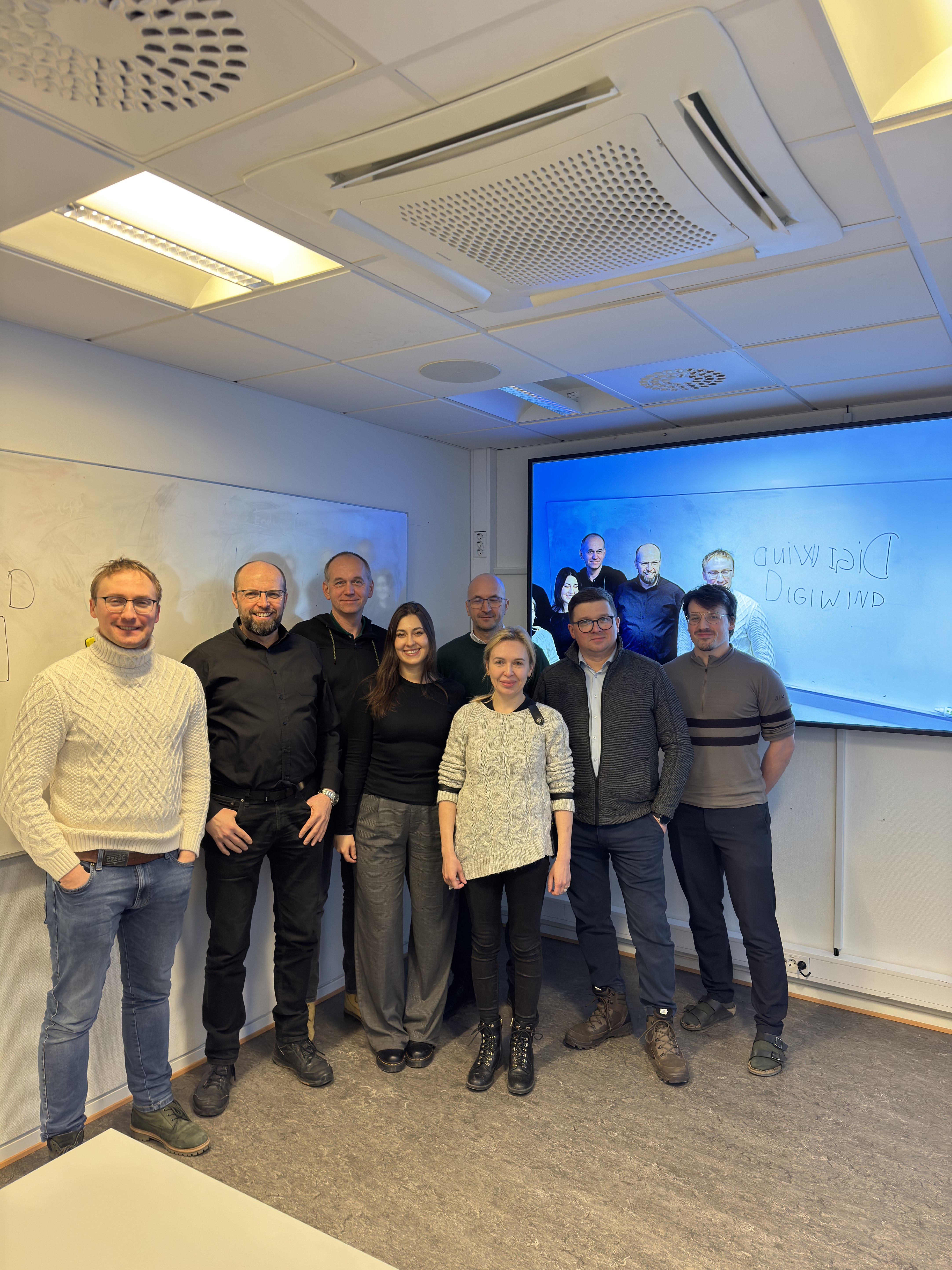
Could not load image from CDN: Server error: `GET https://files.pg.edu.pl/api/v1/file?path=main%2FCMEW%2F1769782346564.jpg&alt=&attr=%7B%22class%22%3A%22img-fluid%20d-block%20mr-file-link%22%7D&target=&lang=en` resulted in a `500 Internal Server Error` response: {"type":"https:\/\/tools.ietf.org\/html\/rfc2616#section-10","title":"An error occurred","status":500,"detail":"Internal (truncated...)In February, representatives of the project team visited the Norwegian University of Science and Technology (NTNU) in Trondheim. The visit took place as part of the mobility activities within the DigiWind project and constituted an important element of cooperation between the project partners. During the meetings, solutions used at NTNU in the field of hybrid education and the digitalisation of teaching laboratories were presented. Particular attention was paid to digital tools enabling laboratory classes to be conducted in remote or hybrid formats.
These solutions allow students to access laboratory infrastructure and research experiments regardless of their location, which is particularly important in the context of international study programmes and academic cooperation. The visit also provided an opportunity to exchange experiences regarding teaching methods in renewable energy education and ways of integrating digital tools with traditional forms of learning.
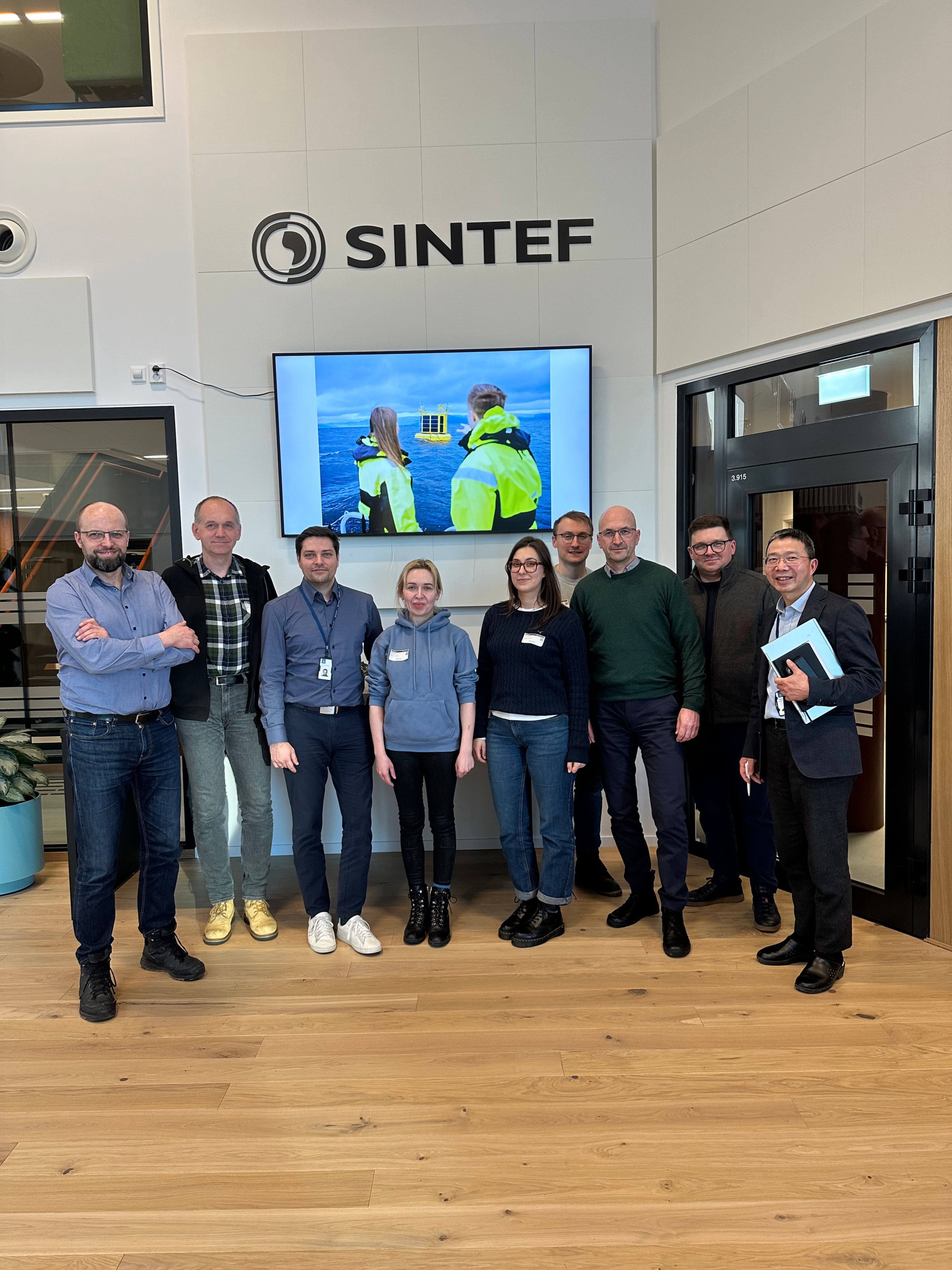
During their stay in Trondheim, the team also visited SINTEF, one of the largest applied research organisations in Europe. The meeting focused on opportunities for developing research collaboration and exchanging experiences in the field of digital methods for modelling and monitoring wind energy systems. Discussions included the use of analytical tools, data processing methods, and digital modelling approaches in analysing the operation of wind turbines. The conversations also helped identify potential areas for future joint research activities, including projects related to the digitalisation of energy infrastructure and the application of Digital Twin technology in wind energy.
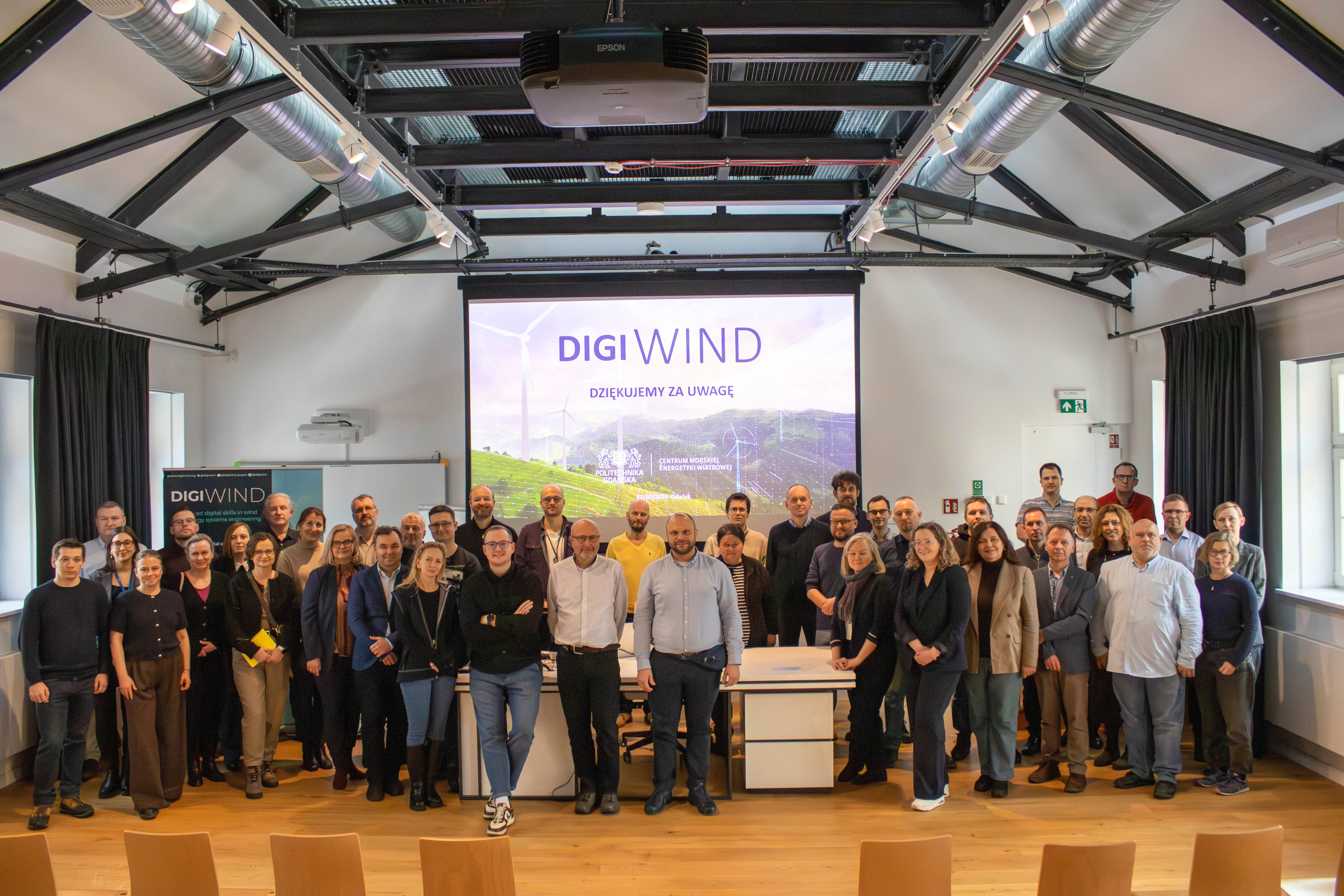
At the end of the month, an internal meeting of the DigiWind project team was held at Gdańsk University of Technology. The aim of the meeting was to summarise the activities carried out so far within the project and to discuss the next stages of work. During the meeting, progress in project implementation was analysed, including the development of the study programme, preparation of teaching materials, and activities related to the development of educational and research infrastructure. The meeting also provided an opportunity to plan upcoming project activities, including further collaboration with international partners and the organisation of future events and initiatives related to the project.
At the beginning of February, on 3–4 February, Gdańsk University of Technology was also visited by a film crew preparing informational materials for the European Commission. The recordings aimed to present the results of projects implemented at the university thanks to European Union funding. One of the projects featured in the materials was Hybrid Wind, which focuses on the development of a hybrid system for monitoring the technical condition of wind turbines using Digital Twin technology. Digital Twin technology enables the creation of digital models of technical infrastructure that reflect the real operating conditions of equipment. This makes it possible to monitor turbine conditions more effectively, detect potential problems at an early stage, and optimise operational processes. The development of such solutions plays an important role in improving the reliability and efficiency of wind energy systems.
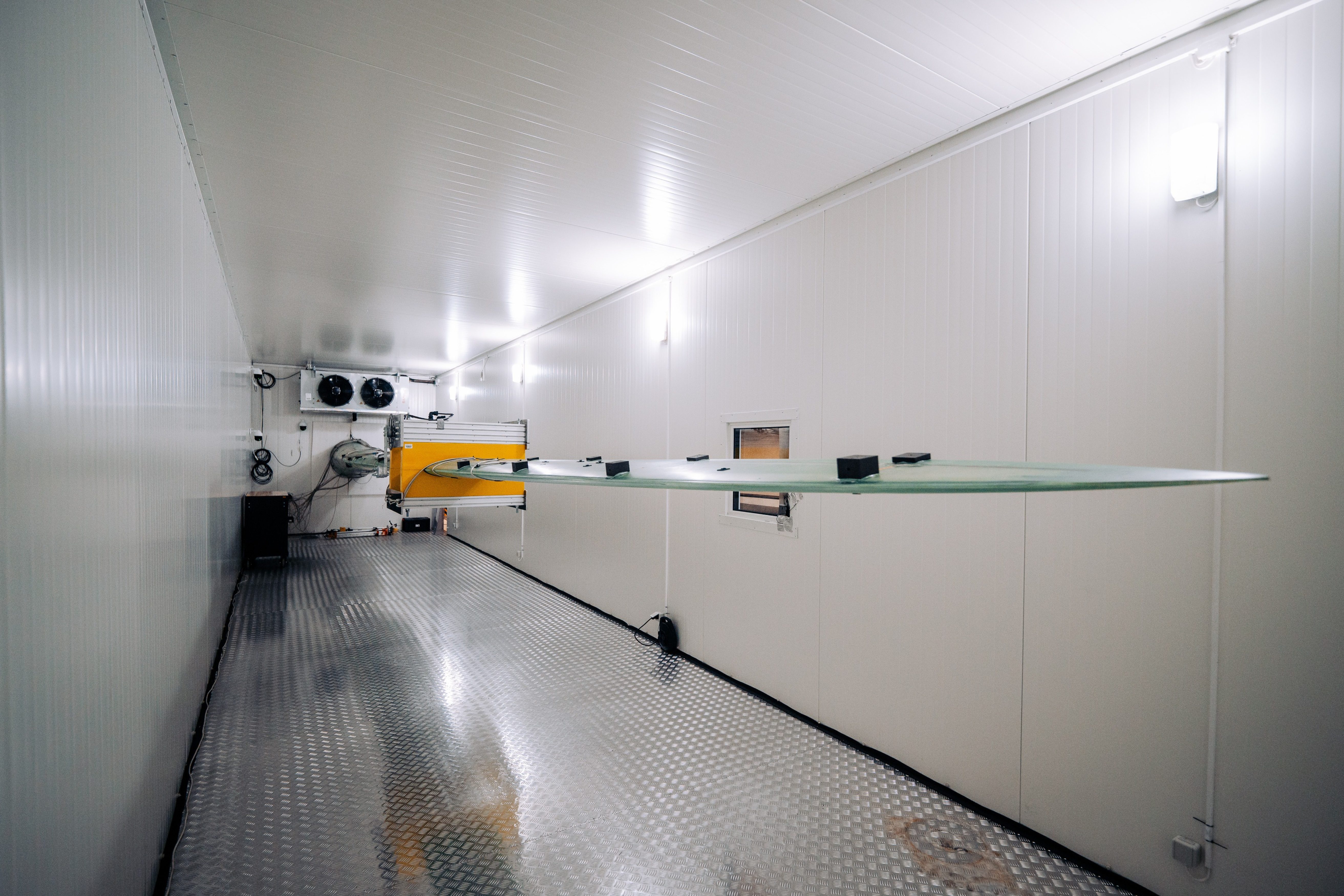
Photo credit: Zoompix - Mateusz Słodkowski, Photo agency
The activities carried out in February demonstrate how important it is to combine modern education, scientific research, and international cooperation in the development of the renewable energy sector. The coming months promise to be equally intensive. Among our upcoming activities is participation in the PowerConnect conference, one of the key industry events dedicated to the energy transition and the development of modern energy technologies. We are also expecting the delivery of a new wind turbine blade from the Technical University of Denmark (DTU), which will be used in our ongoing research on wind turbine condition monitoring and the development of Digital Twin-based solutions.
We would like to thank all partners, collaborators, and students for their engagement in our joint activities and for supporting initiatives contributing to the energy transition.
-
2023-10-30
Conference Baltic Windustry 2023